What Happened
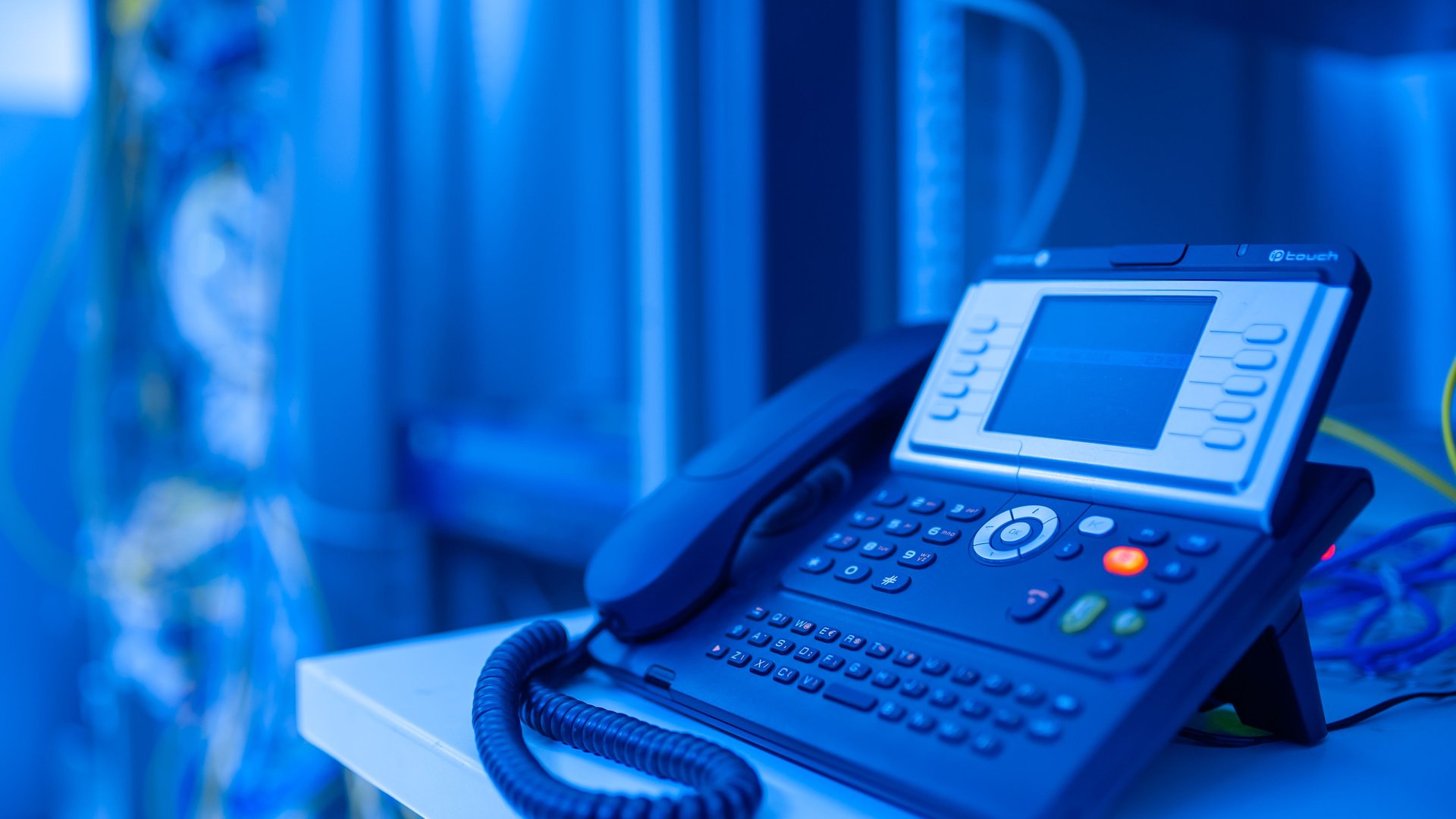
The ShinyHunters extortion group published a 280GB archive of data stolen from RingCentral, a business communications platform widely used for cloud phone, video conferencing, and team messaging. The leaked archive, confirmed by breach notification service Have I Been Pwned, contains records for 1.6 million accounts, including names, email addresses, phone numbers, and physical addresses. RingCentral disclosed the underlying intrusion on July 28, attributing initial access to a sophisticated social engineering campaign against its staff. ShinyHunters claimed responsibility on July 27 and said it stole 623GB of data before RingCentral declined to pay a ransom.
RingCentral says the core platform continued operating without disruption throughout the incident, and it has seen no new unauthorized activity since containment. The company is notifying affected customers directly rather than issuing a blanket public disclosure of who was affected.
Why This Matters for Canadian Organizations
RingCentral serves a large base of Canadian small and medium businesses, call centres, and professional services firms as a phone and collaboration provider, often holding customer contact lists, employee directories, and call metadata alongside account holder information. Organizations whose staff, client, or partner data appears in the leaked archive face PIPEDA breach notification obligations where the exposure creates a real risk of significant harm. This kind of exposure, spanning names, phone numbers, and addresses tied to a business communications account, typically meets the threshold in practice.
The social engineering vector behind this breach matters beyond RingCentral itself. Attackers increasingly target the employees of SaaS vendors directly rather than probing for software flaws, meaning Canadian organizations depending on third-party platforms carry risk they cannot patch away through their own security controls alone.
What to Do
Canadian organizations using RingCentral should confirm with their account representative whether their data appears in the exposed archive, review recent account activity for unfamiliar logins or configuration changes, and treat unsolicited calls or messages referencing RingCentral account details with suspicion, since exposed contact data commonly fuels follow-on phishing and vishing campaigns. Security teams evaluating SaaS vendors more broadly should confirm those vendors run phishing-resistant authentication and social engineering awareness training for staff with access to customer data. Coverage is available from BleepingComputer and SecurityWeek.