What Happened
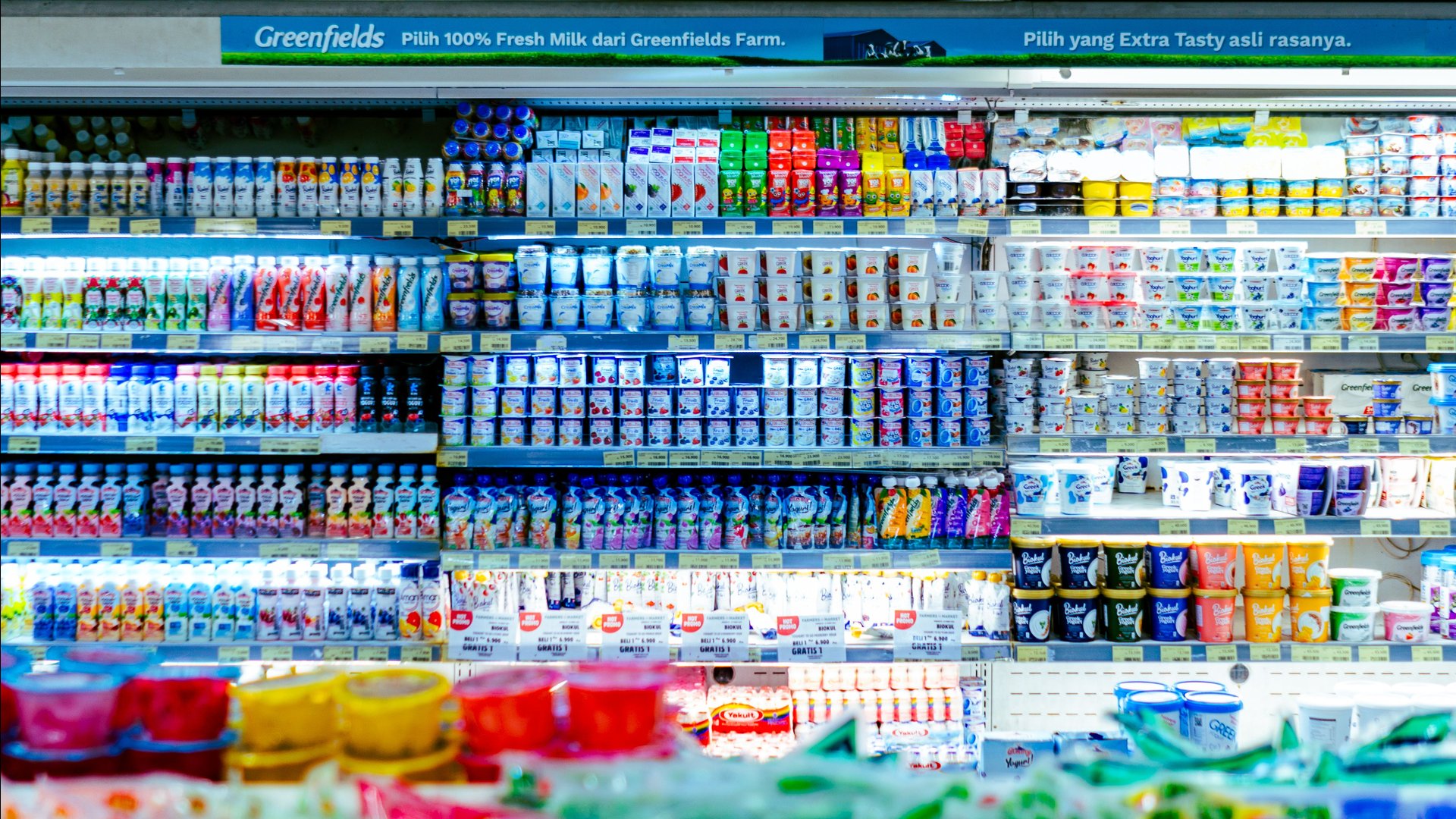
Attackers changed settings on supermarket refrigeration controls in nine European countries overnight into Monday, The Hacker News reports. In Belgium, cooling units switched to defrost mode and heated instead of cooling. One freezer was set to 50°C. Stores in Belgium, Luxembourg, Sweden, Estonia, Ireland, the Netherlands, Finland, Portugal, and Italy threw out or pulled chilled and frozen food.
Danfoss confirmed its products were involved. CERT-FR named the AK-SM and AK-SC controller series, along with Dixell xweb and Copeland xweb devices. Danfoss said Dutch systems sat on unsecured networks with default passwords and outdated software. No group has claimed the attacks. Belgium’s federal prosecutor opened a criminal investigation. A similar campaign hit hundreds of French supermarkets about three weeks ago.
Why This Matters for Canadian Organizations
Canadian grocers, convenience chains, and food distributors run the same class of equipment. Refrigeration controllers sit on store networks, often managed by an outside contractor with remote access. The Belgian case points to the contractor link as a weak point.
Food is critical infrastructure. A cold chain failure across a regional chain means lost inventory, empty shelves, and public health risk in a Canadian winter and summer alike. The Canadian Centre for Cyber Security lists food and agriculture among the sectors it protects. Insurers and the Canadian Food Inspection Agency will also ask whether stores kept safe temperatures.
See our Trends coverage for related attack patterns against operational technology.
What to Do
Ask your refrigeration vendor and contractors which controller models and firmware versions run in each store. Change every default password. Remove internet exposure for controller web interfaces. Require multifactor authentication and logging on contractor remote access. Put temperature alarms on a separate, independent system. Write a manual response plan for store staff. For more daily coverage, see our latest news.